
Can children eat tripe? Yes, children can eat tripe once complementary feeding has begun, provided that it is thoroughly cooked, tender and prepared in a way that matches their chewing skills. It should be cut into small pieces and served without too much salt or heavy seasoning.
There is no official age specifically recommended for introducing tripe. A child’s development, experience with solid foods and overall diet matter more than a fixed number. Parents should speak to their pediatrician if the child has swallowing difficulties, digestive conditions, food allergies or specific nutritional needs.
Table of Contents:
Can Children Eat Tripe?
There is no general rule excluding tripe from a child’s diet. World Health Organization guidance on complementary feeding recommends a varied diet that includes animal-source foods such as meat, fish and eggs.
The guidance does not mention tripe specifically, so it should not be interpreted as a recommendation to introduce it automatically at six months. Parents should first consider whether the child can comfortably manage soft pieces of meat and other slightly fibrous textures.
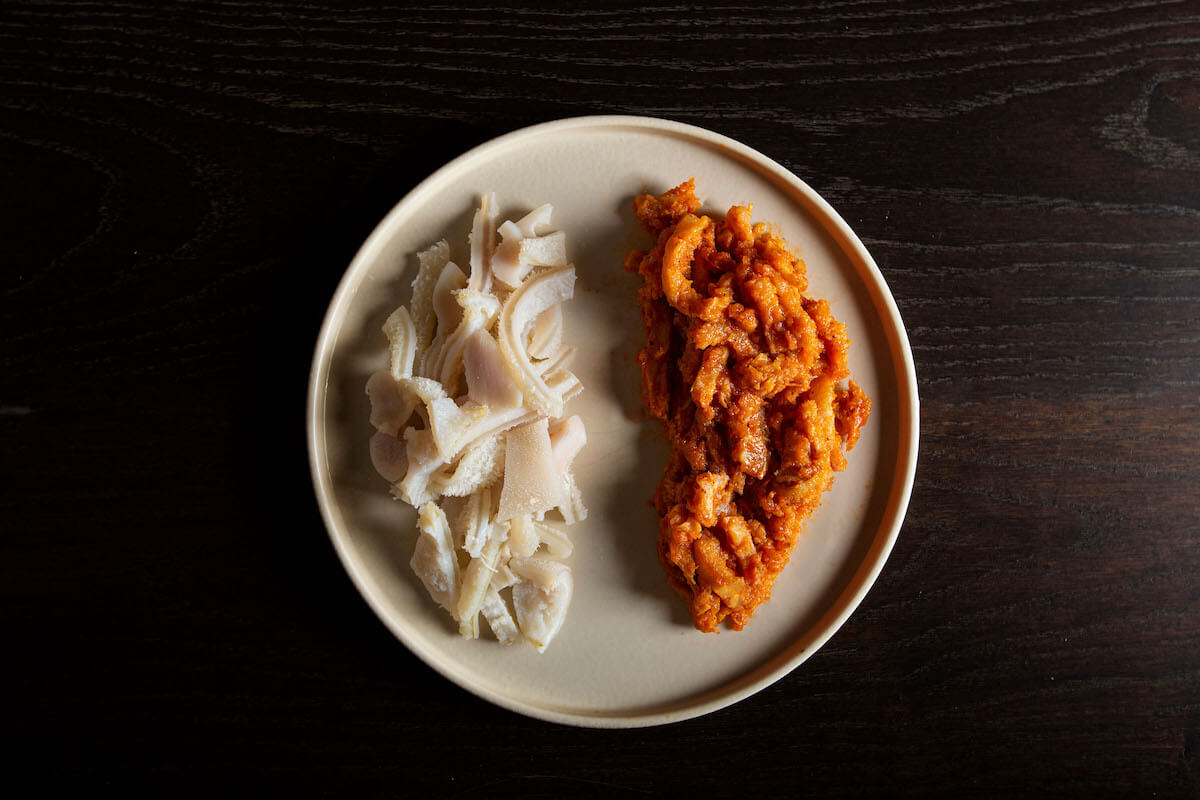
Tripe is the edible lining of a cow’s stomach compartments. At Bambi Trippa e Lampredotto, the word mainly refers to the rumen and reticulum. It is different from liver and other types of offal, each of which has its own nutritional profile and texture.
For a broader explanation of the ingredient, you can read our guide to what tripe is.
At What Age Can Children Try Tripe?
There is no single age that applies to every child. The WHO recommends beginning complementary foods at around six months and gradually adapting textures as a baby develops. By about twelve months, many children can eat the same types of food as the rest of the family, with appropriate adjustments.
This does not mean that every family needs to introduce tripe during the first year. A more useful question is whether the child:
- has started eating solid foods;
- can manage different textures;
- can chew soft pieces of meat safely;
- has already tried other animal-source foods;
- has no medical restrictions affecting their diet.
Even after slow cooking, some tripe can retain a slightly elastic or fibrous texture. For younger children, it should be cooked until very tender and cut into pieces that are appropriate for their individual abilities.
What Nutrients Does Tripe Contain?
Tripe provides protein and is relatively moderate in fat compared with many meat-based dishes. According to the CREA food composition database, 100 grams of raw beef tripe contain approximately 15.8 grams of protein and 5 grams of fat.
The nutritional profile of the final dish also depends on the recipe. Olive oil, broth, cheese, tomato sauce and salt can all change its overall composition.
This is why the question “Is tripe good for children?” cannot be answered by looking at one nutrient. Tripe can be included in a varied diet, but it does not need to be treated as a superfood or as an essential part of a child’s meals.
For a closer look at its nutritional characteristics, see our dedicated article on whether tripe is good for you.
Texture, Cooking and Seasoning
How tripe is prepared is especially important when it is served to a child.
Texture
Not all parts of tripe have the same consistency. Rumen is usually firmer and more fibrous, while reticulum tends to be softer. Tripe should be simmered until tender and then cut into small pieces. Long, slippery or chewy strips are not appropriate for a child who is still learning to manage solid foods.
As with any food that requires chewing, an adult should supervise the child throughout the meal.
Cooking and Food Safety
Tripe sold in Italy is generally cleaned and pre-boiled before being used in a recipe. In other countries, the way it is sold may vary, so it is important to check the packaging and follow the supplier’s instructions.
Only tripe intended for human consumption should be used. It must be stored correctly, kept refrigerated and cooked thoroughly. EFSA food safety guidance recommends thorough cooking for meat to reduce microbiological risks. Use-by dates, refrigeration instructions and any preparation information on the label should always be followed.
Salt and Seasoning
The WHO recommends avoiding added salt in complementary foods for infants and young children. Broth, grated cheese and other ingredients can also increase the sodium content of a dish.
When cooking tripe for the whole family, parents can set aside the child’s portion before adding the final seasoning. This makes it easier to control salt, pepper and cheese without preparing a completely separate recipe.
Is Florentine Tripe Suitable for Children?
Children can also try trippa alla fiorentina, the traditional Florentine preparation, as long as its texture, seasoning and portion are appropriate. The classic recipe uses pre-boiled beef tripe, slowly simmered with tomato, garlic and parsley. Salt and black pepper are added during cooking, while grated Parmigiano may be served on top.
Slow cooking helps the tripe become tender, although the traditional strips may still need to be cut into smaller pieces before being offered to a child. At home, the amount of salt, pepper and cheese can also be adjusted.
Our guide to traditional trippa alla fiorentina explains how the dish is prepared in Florence and which parts of tripe work best for this recipe.

How to Offer Tripe for the First Time
A small taste is enough for a first experience. There is no need to serve a full portion or persuade a child to finish it if they are unsure about the flavor or texture.
Tripe itself has a fairly mild taste. Its texture is usually the more unfamiliar element, especially for children who are used to minced meat or very soft foods.
Cooking it until tender, cutting it carefully and serving it with a simple sauce can make the first taste easier to approach. Seeing the rest of the family enjoy it naturally may also help it feel like part of an ordinary shared meal.
When Should Parents Ask a Pediatrician?
Parents should ask their pediatrician for personalized advice if the child:
- is in the early stages of complementary feeding;
- has difficulty chewing or swallowing;
- follows a prescribed diet;
- has a digestive or metabolic condition;
- is allergic to any ingredient used in the recipe;
- has previously experienced unusual reactions to meat or other foods.
A pediatrician can consider the child’s age, development and complete diet rather than assessing one ingredient in isolation.
Frequently Asked Questions
Can Babies Eat Tripe During Weaning?
There is no tripe-specific recommendation. It may be considered after complementary feeding has begun, but its texture and preparation must be adapted to the child’s abilities. Parents should consult their pediatrician if they are unsure.
Is Tripe Difficult for Children to Digest?
It depends on the quantity, cooking method, seasoning and individual child. A small amount of tender, lightly seasoned tripe is different from a large serving prepared with a rich sauce or a generous amount of cheese.
How Much Tripe Can a Child Eat?
There is no universal serving size. A small amount is sufficient for the first taste, while future portions should be considered as part of the child’s complete diet.
Can Children Eat Trippa alla Fiorentina?
Yes, provided that the tripe is tender, cut appropriately and not excessively seasoned. Parents should pay particular attention to salt, pepper, cheese and the size of the pieces.
Is Lampredotto the Same as Tripe?
No. Lampredotto is the abomasum, the fourth stomach of the cow. It belongs to the same Florentine quinto quarto tradition, but it is different from tripe.
Introducing Children to Tripe
Tripe can be introduced in the same way as many other foods served at the family table: gradually, thoughtfully and without pressure.
Quality, cooking and texture all make a difference. A small, carefully prepared taste may be enough to introduce a child to a food that has been part of Florentine popular cuisine for generations.
At Bambi Trippa e Lampredotto, we work with tripe every day and prepare it according to Florentine tradition. To taste authentic trippa alla fiorentina, visit us at Florence’s Mercato Centrale or at I Gigli Shopping Center in Campi Bisenzio.