Is Tripe Healthy? Nutrition, Calories and What to Know

Is Tripe Healthy? Yes, tripe can be part of a balanced diet. It provides protein and iron, while raw tripe is relatively moderate in calories and fat. However, its overall nutritional profile depends on how it is cooked, the ingredients added, the portion size and how often it is eaten.
At Bambi, we work with tripe every day. We also know that many people assume it must be particularly fatty or heavy simply because it belongs to the quinto quarto — the so-called fifth quarter of the animal. Its nutritional values tell a more nuanced story.
Table of Contents
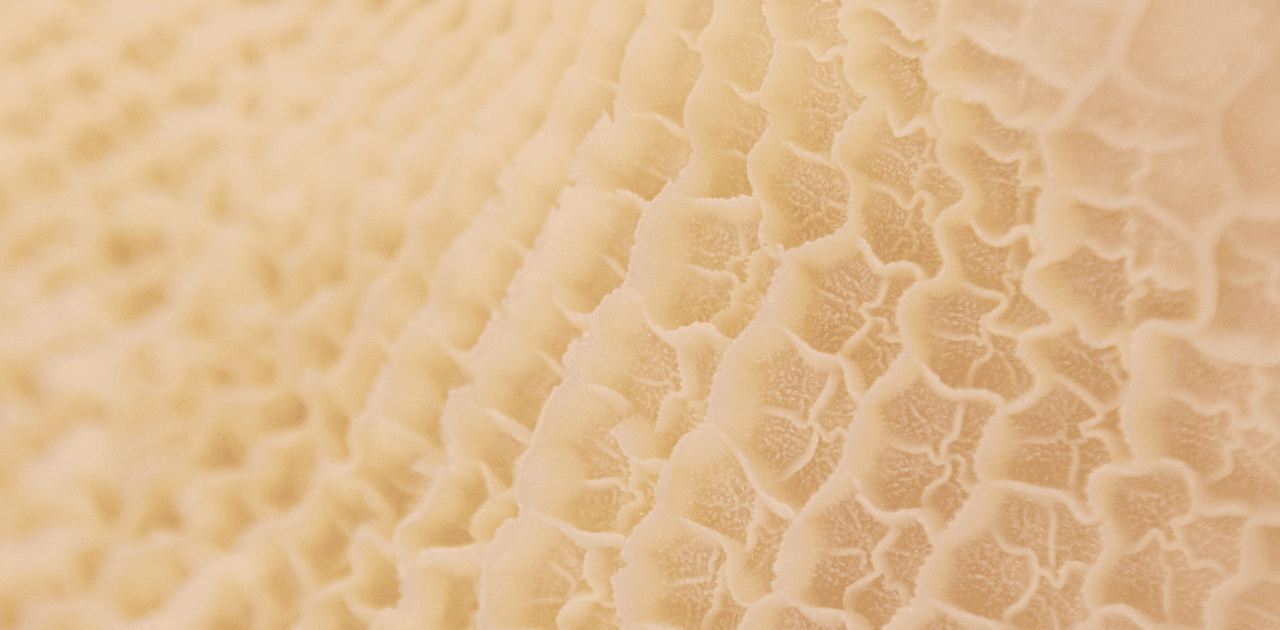
In general, tripe refers to the edible lining of a cow’s stomach. In Bambi’s tradition, when we talk about tripe, we mainly mean the rumen and the reticulum.
These are part of the quinto quarto, a traditional Italian term for offal and the parts of the animal outside the four main cuts. They should not be confused with lampredotto, which comes from the abomasum, the cow’s fourth stomach.
You can learn more about these distinctions in our guides to what tripe is and the different parts of tripe.
According to the CREA Food Composition Tables, 100 grams of raw bovine tripe provide:
These values refer to raw tripe, not to a complete cooked dish. Boiling can alter nutrient concentrations depending on how much water the tripe absorbs or loses, while the recipe and its seasonings determine the final nutritional profile.
The first element to consider is its protein content. With almost 16 grams of protein per 100 grams of raw product, tripe can contribute to the overall protein intake of a meal.
Its fat content is also lower than many people expect. Tripe is not fat-free, but neither is it necessarily the extremely fatty food it is sometimes assumed to be.
It also contains iron and small amounts of B vitamins, including thiamine, riboflavin and niacin.
This does not make tripe a “superfood” or mean that it is nutritionally superior to other foods. It simply means that it can have a place in a varied diet and should not be dismissed solely because it is offal.

Saying that raw tripe contains 108 calories per 100 grams does not mean that every serving of cooked tripe has the same energy value.
Oil, butter, cheese, bread, sauces and other ingredients can increase the total amount of calories, fat or salt in the meal. Recipes also vary considerably between regions and countries. Tripe served with beans, cured meat or generous amounts of cheese will have a different nutritional profile from tripe that has been boiled and dressed simply.
In trippa alla fiorentina, tripe is slowly cooked with tomato, garlic and parsley. The nutritional value of the final dish therefore depends on both the tripe and the amounts of olive oil, Parmigiano and bread served with it.
The useful question is not only “Is tripe healthy?”, but also “How was it prepared, and how much am I eating?”
There is no ideal frequency that applies to everyone or specifically to tripe. What matters is the overall diet, the variety of protein sources, the portion size and each person’s individual needs.
A moderate serving within a varied diet is different from eating tripe very frequently with rich sauces and large amounts of bread or cheese. As with many traditional dishes, balance does not mean removing the recipe from your diet. It means considering the meal as a whole.
Tripe is also an animal product. Anyone who needs to follow specific dietary advice because of cholesterol levels, a medical condition or other nutritional requirements should speak to a doctor or qualified nutrition professional.
Quality does not magically change the calorie count, but it makes a real difference to flavour, texture, storage and food safety.
Good tripe must be properly cleaned, prepared and stored. It may have a mild, natural smell, but it should never smell sour, aggressive or unpleasant. Its texture will also vary according to the part used.
This is where the experience of a trippaio, a traditional Florentine tripe specialist, matters. Understanding the raw material, how to handle it and which cooking method suits each part helps bring out its character without unnecessarily masking or weighing it down.
How many calories are in tripe?
According to CREA, raw bovine tripe contains 108 kcal per 100 grams. The calorie content of a finished dish changes according to the cooking method, seasoning and ingredients used.
Is tripe high in protein?
Raw bovine tripe contains 15.8 grams of protein per 100 grams, according to the CREA Food Composition Tables.
Does tripe contain carbohydrates?
Raw tripe contains no carbohydrates according to CREA. Bread, sauces, beans and other ingredients served with it can add carbohydrates to the meal.
Is tripe fattening?
No single food automatically causes weight gain. Portion size, frequency, preparation and the overall balance of the diet are what matter.
Is tripe easy to digest?
This varies from person to person. The cooking method, portion size, seasoning and individual sensitivity can all affect how light or heavy a tripe dish feels.
Is tripe the same as lampredotto?
No. At Bambi, tripe mainly refers to the rumen and reticulum. Lampredotto comes from the abomasum, the cow’s fourth stomach. Both belong to the world of the quinto quarto, but they are different products.
Tripe can be part of a balanced diet. It provides protein and iron and, as a raw ingredient, contains fewer calories and less fat than many people might expect.
It should not, however, be presented as a miracle food. The quality of the raw material, the cooking method, the portion size and the frequency of consumption remain the most important factors.
At Bambi Trippa e Lampredotto, this knowledge is part of our daily work. If you would like to try tripe prepared according to Florentine tradition, visit us at the Mercato Centrale in Florence or at I Gigli Shopping Centre.