
Does Tripe Smell Bad? How to Recognize Good Tripe

Does tripe smell bad? Tripe does not, in fact, smell bad. Or rather: tripe should not smell bad. When it is properly cleaned, prepared and stored, tripe has a natural, light smell, never an aggressive one. If the smell is strong, acidic or unpleasant, the problem is almost never tripe itself, but the quality of the raw ingredient, the initial cleaning or the way it has been stored.
This is one of the most common doubts among people approaching tripe for the first time. Many think that tripe necessarily has a strong smell, but that is not true. Like all foods belonging to the world of quinto quarto — the so-called fifth quarter of the animal — it requires attention, skill and respect for the raw ingredient.
At Bambi Trippa e Lampredotto, we work with tripe and lampredotto every day, following the product from the moment it arrives from the slaughterhouse to the final preparation. This is why we know that good tripe can be recognized even before tasting it: by its appearance, its texture and also its smell.
In this guide, we explain why tripe can sometimes have a bad smell, what good-quality tripe should be like and how to store it properly at home.
Table of Contents:
No, tripe should not smell bad. Good tripe has a clean smell, slightly animal, but never invasive. It should not have acidic, ammonia-like, overly strong or unpleasant notes.
The point is simple: tripe is a delicate part of the cow and, for this reason, it must be handled properly. If it is cleaned correctly, pre-boiled in the right way and stored at the right temperature, it should not have an unpleasant smell.
Tripe’s bad reputation often comes from negative experiences: products handled poorly, stored for too long or cooked without care. But poor-quality tripe should not be confused with tripe in general.
It is similar to fish: good fish does not “smell fishy”. It has a recognizable but clean smell. Tripe works in the same way.
When tripe has an unpleasant smell, there can be several reasons. The first is poor initial cleaning. Tripe requires precise preparation: it must be washed, cleaned and pre-boiled correctly before being cooked.
The second reason is storage. If tripe is kept for too long, or not stored at the right temperature, it can develop strong and unpleasant smells.
The third reason is the quality of the raw ingredient. Not all tripe is the same. Industrial tripe, or tripe processed without care, can lose texture and cleanliness of flavor.
Finally, there is cooking. Even good tripe can be ruined if it is cooked badly, with the wrong timing, heat that is too high or ingredients used to cover the flavor rather than accompany it.
Good tripe does not need to be masked. It needs to be treated properly.
Good tripe can be recognized through three elements: smell, texture and appearance. The smell should be clean. It may have a natural note, because it is still an animal ingredient, but it should never be sharp or unpleasant.
The texture should be elastic and compact, not mushy. Tripe that is too slimy, falling apart or watery is often a sign of poor preparation or poor storage.
The appearance should be regular. The color may vary slightly depending on the part and the preparation, but it should never look old or badly stored.
When buying tripe, then, you should not look only at the price. You should ask where it comes from, how it has been handled and how much time has passed since preparation.
This is where the work of the trippaio makes the difference.
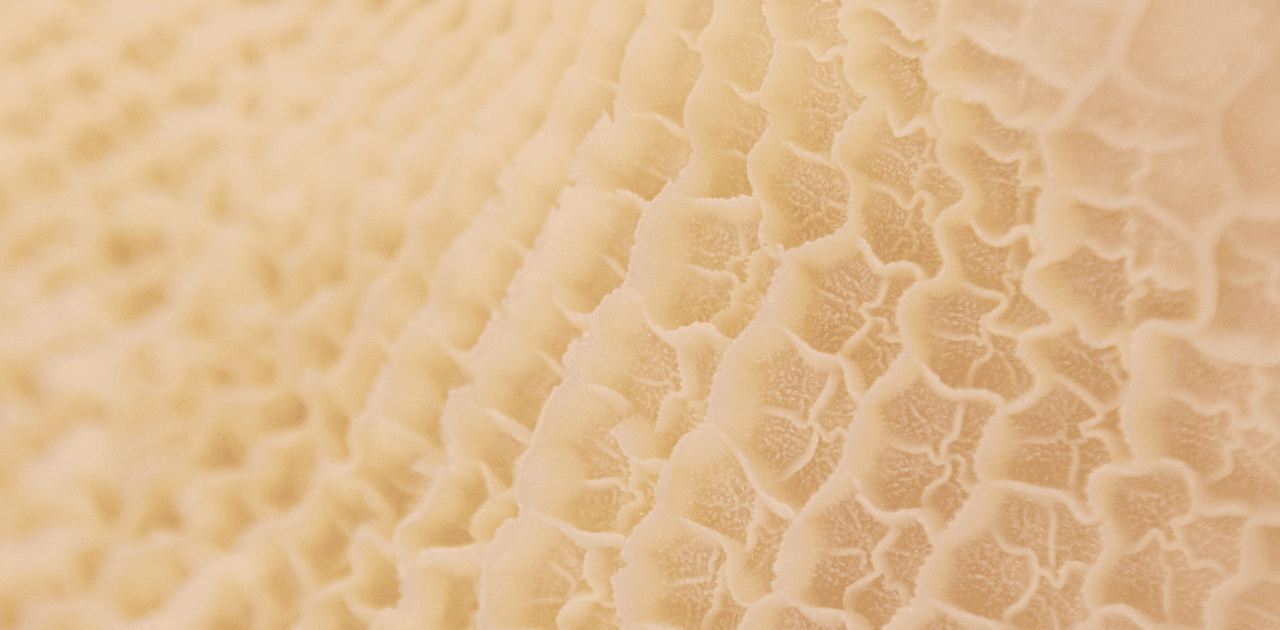
Tripe does not go straight into the pot as it is. Before becoming a dish, it must go through a series of essential steps. It is cleaned, washed, pre-boiled and prepared according to its final use. Each step helps make it suitable for cooking and pleasant to eat.
At Bambi, this preparation is part of our short supply chain: the raw ingredient is followed directly, from the product that arrives from the slaughterhouse to the panino or plate served at the counter.
This control matters because it allows us to preserve quality, texture and cleanliness of flavor.
Properly prepared tripe does not need tricks. It does not need to be covered with strong spices or aggressive seasoning. It simply needs time, attention and the right ingredients.
To learn more about the different parts of tripe and how they change in texture and use, you can also read our article dedicated to the different parts of tripe.
If you buy tripe to cook at home, storage is essential. Tripe should be kept in the refrigerator and eaten within a short time. It is not an ingredient to forget for days. Once purchased, it is better to remove it from the bag, place it in a clean container and keep it cold.
A traditional method is to keep it in very cold water, changing the water every day, for a maximum of two days. In some cases, half a lemon can also be added to help maintain freshness.
The rule, however, is simple: tripe should be eaten fresh. If it starts to have a strong, acidic or unpleasant smell, it should not be cooked in an attempt to “save” it. Quality is protected before cooking, not corrected afterward.
During cooking, tripe can release a stronger smell than when it is cold, but it should not become unpleasant. If it has been cleaned and stored correctly, the smell during cooking remains natural and is balanced by the soffritto, tomato, herbs and time.
In trippa alla fiorentina, for example, the long cooking with tomato, garlic and parsley allows the tripe to soften and bind with the sauce without losing its identity.
The problem starts when someone tries to cover a bad smell with overly strong ingredients. If the tripe starts badly, the recipe will not fix it.
This is why choosing the raw ingredient is the first real step of the recipe.
Should tripe have a smell?
Yes, tripe can have a natural and slightly animal smell, but it should not smell bad. Good tripe has a clean smell, not acidic and not aggressive.
Why does tripe smell bad?
Tripe can smell bad if it has been poorly cleaned, badly stored or if the raw ingredient is low quality. A strong smell is not an unavoidable characteristic of tripe.
How do you remove the smell from tripe?
If the smell is light, rinsing the tripe well and keeping it in cold water before cooking can help. If the smell is strong and unpleasant, it is better not to cook it.
Does tripe smell while cooking?
Good tripe may have a more intense smell while cooking, but it should not become unpleasant. If the smell is too strong, there is probably a problem with quality or storage.
How can you tell if tripe is good?
Good tripe has a clean smell, an elastic texture and a regular appearance. It should not be slimy, mushy, watery or have acidic smells.
Does pre-boiled tripe smell less?
Yes, if it has been prepared properly. Boiling helps prepare tripe for the final cooking, but it must be done correctly and followed by proper storage.
Tripe does not smell bad when it is good, clean and properly prepared. A bad smell is not a natural sentence against tripe: it is a sign of a problem in the raw ingredient, in the preparation or in the storage.
This is why, even before the recipe, the work of the person preparing it matters. Cleaning, boiling, choosing the right parts and storing them correctly make the difference between tripe that is difficult to approach and tripe that is clean, good and pleasant to eat.
At Bambi Trippa e Lampredotto, this attention is part of our daily work. Because when tripe is treated properly, it does not need to be hidden: it simply needs to be cooked well.







 Is Tripe Healthy? Nutrition, Calories and What to Know